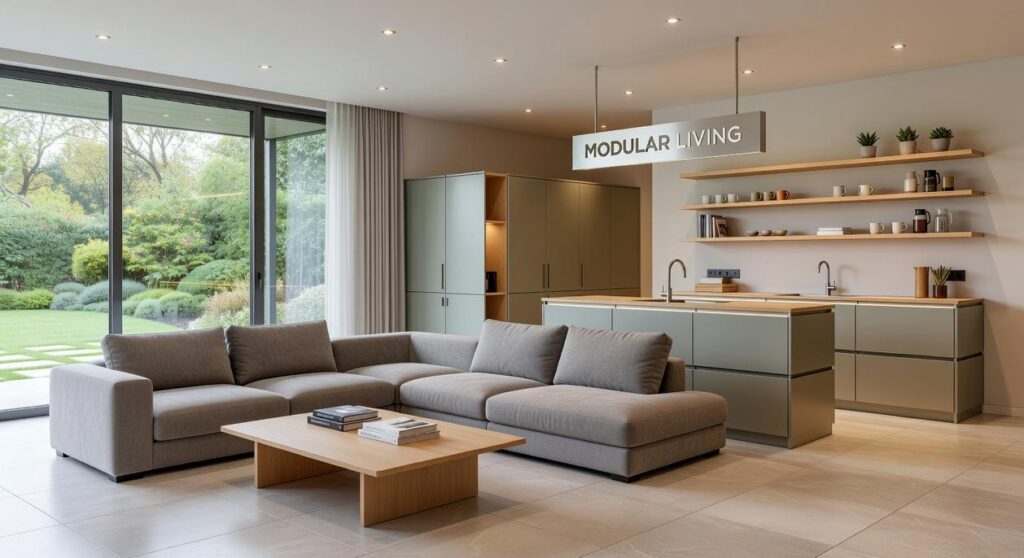
Staying ahead of interior design trends 2026 isn’t just about aesthetics—it’s about creating a home that feels current, functional, and aligned with the way you live. If you’re planning a refresh, renovation, or complete redesign, you’re likely looking for clear insight into what’s emerging, what’s fading, and how to incorporate new ideas without chasing short‑lived fads.
This article explores the key design directions shaping 2026, from evolving color palettes and materials to smarter space optimization strategies and lifestyle‑driven layouts. We break down what these trends mean in practical terms, so you can confidently apply them to your own home.
Our insights are grounded in ongoing analysis of global design movements, industry showcases, and expert forecasts, ensuring you’re not just seeing predictions—but informed perspectives backed by real-world applications. By the end, you’ll understand which trends are worth embracing and how to adapt them to create a timeless, inspired space.
Biophilic Futurism: Weaving Nature into Smart Homes
I remember the first time I replaced a blank apartment wall with a modular living wall. Within weeks, the air felt lighter, the room quieter. It wasn’t just décor—it was a shift in atmosphere. That’s the essence of biophilic futurism: evolving from a lonely potted fern in the corner to fully integrated natural systems embedded into architecture and technology.
Biophilic design (a concept that integrates natural elements into built environments to improve well-being, per Harvard T.H. Chan School of Public Health findings on indoor environmental quality) has matured. We’re now seeing homes that breathe, adapt, and glow like living organisms.
The Rise of Living Technology
Instead of hiding smart features behind black screens, “living technology” blends them into organic forms. Think circadian lighting systems (lighting that shifts color temperature to mirror the sun’s daily cycle) that warm your mornings and cool your evenings. NASA research on circadian rhythms shows light timing directly impacts sleep quality.
Key elements often include:
- Living walls that regulate humidity
- Reclaimed wood and mycelium (a biodegradable fungal material) panels
- Subtle indoor water features that mask urban noise
Some skeptics argue this is high-maintenance or expensive. And yes, integrated irrigation systems and responsive lighting aren’t plug-and-play. But in my experience, automated plant sensors and closed-loop watering reduce upkeep dramatically (pro tip: start with a small hydroponic wall before scaling).
In smaller homes, biophilic design visually expands space by drawing the eye outward—mirrors reflecting greenery, large windows framed in raw wood, soft daylight simulation. It’s a defining thread in interior design trends 2026: homes that feel less mechanical, more alive.
Because when technology feels natural, space feels limitless.
Artisanal Revival: The Return of Tactile, Analog Comfort
In a world of glass screens and smart everything, the artisanal revival feels less like a trend and more like a collective exhale. Simply put, this movement is a counter-trend—a deliberate response to digital overload. When everything is instant and intangible, we start craving what’s slow, imperfect, and real (yes, even the slightly crooked mug).
So what does that actually mean in design terms? It means prioritizing tactile materials—surfaces you want to touch. Think hand-woven textiles with visible variation, imperfect ceramics where the glaze pools unpredictably, hand-carved wood that shows tool marks, and textured plaster walls like limewash or tadelakt. If those terms sound technical, here’s the breakdown: limewash is a mineral-based paint that creates soft, cloudy movement on walls, while tadelakt is a polished plaster with a velvety, stone-like finish. Both add depth that flat paint simply can’t replicate.
At the heart of this shift is what designers call New Nostalgia. This doesn’t mean recreating your grandmother’s living room. Instead, it’s about reinterpreting traditional craftsmanship with modern silhouettes and updated color palettes. Imagine a minimalist sofa paired with a heritage quilt in unexpected hues. It’s heritage—edited.
If you’re unsure where to begin, start small but intentional:
- Choose one “hero piece,” like a handmade quilt or sculptural pottery
- Let it anchor the room’s mood
- Build supporting elements around its texture and tone
As interior design trends 2026 continue to evolve, one thing is clear: authenticity is the new luxury. And in a hyper-digital age, touch is the ultimate statement.
The Fluid Home: Mastering Modular and Multi-Functional Design
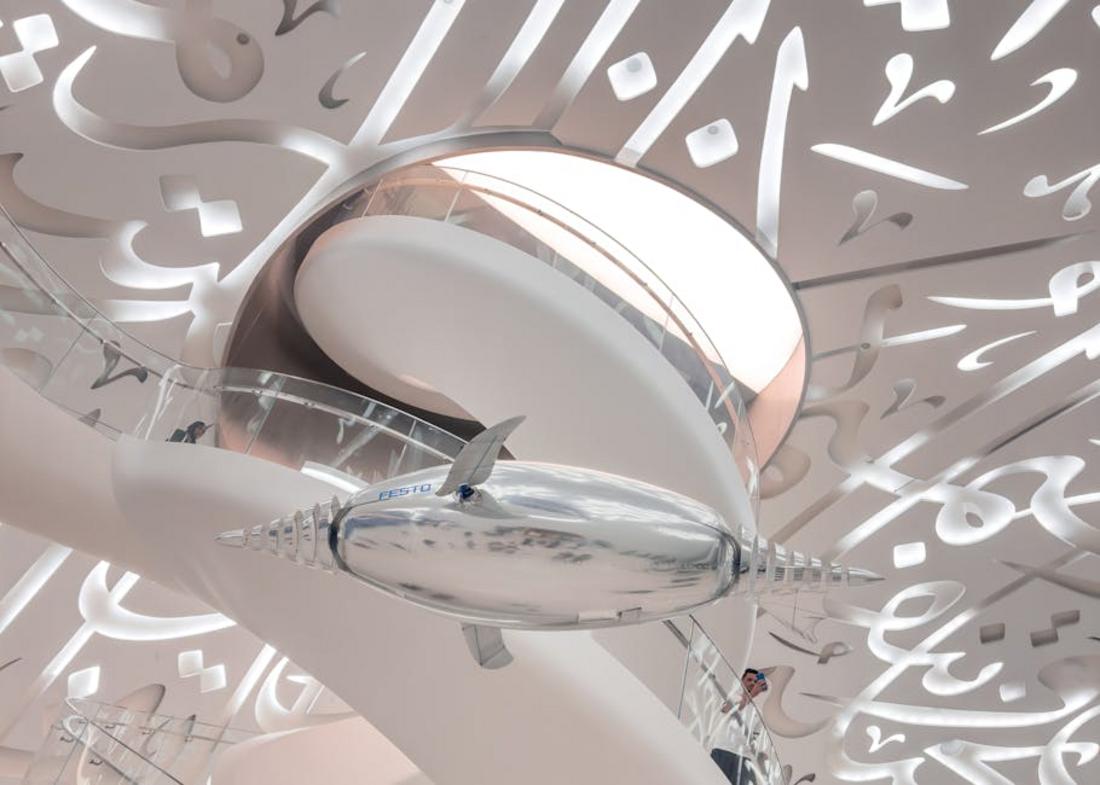
Homes were once designed like rigid boxes: one room, one purpose. That model no longer fits hybrid work, evolving family life, or wellness routines squeezed into busy days. The real luxury now isn’t square footage—it’s flexibility. Function must flow.
Some designers argue open-plan living already solved this. I disagree. Open space without intention just creates cluttered overlap (ever tried taking a Zoom call while someone blends a smoothie?). True adaptability requires modular thinking.
Space Optimization Tips
- Movable walls that slide or fold to create instant privacy
- Transformable furniture, like a dining table that becomes a desk
- Built-in storage that defines “zones” instead of traditional rooms
Zoning means assigning purpose without permanent barriers. One powerful strategy is “zoning with light and texture.” Use rugs to anchor a workspace, pendant lighting to frame a dining area, or textured wall panels to signal a reading nook. Understanding how color affects mood is essential—see how color psychology influences your home environment for deeper insight.
In 2026, interior design trends 2026 emphasize modular sofas that reconfigure into guest beds, fold-away gym systems, and wall-mounted desks that disappear after hours. A living room can shift into a yoga studio, guest suite, or creative lab within minutes.
The future home isn’t bigger. It’s smarter.
Sensory Immersion: The Psychology of Color and Texture
Design in 2026 moves beyond what we see and into what we feel. In fact, a 2023 study in the Journal of Environmental Psychology found that multi-sensory environments significantly improved mood and cognitive performance compared to visually focused spaces alone. So, it’s no surprise that interior design trends 2026 emphasize immersive, layered experiences at home.
First, consider color. Earthy tones like terracotta, moss green, and deep ochre are gaining traction because research from the Pantone Color Institute shows nature-based hues reduce stress and promote grounding. However, some argue that muted palettes feel dull. The counterpoint? Pair them with “digital nature” accents—luminous pastels or soft metallics—to add contrast and energy (think forest floor meets sci-fi glow).
Next, texture layering creates emotional depth. Combine smooth velvet cushions with rough linen throws, or sleek metal lighting against raw stone walls. This contrast stimulates tactile curiosity, which neuroscientists link to heightened sensory engagement.
For focus, try deep ochre with brushed brass and structured linen. For relaxation, moss green with soft wool and matte clay works beautifully. Meanwhile, creativity thrives in spaces mixing terracotta, iridescent accents, and varied textiles. Pro tip: layer at least three textures per room to avoid flatness.
Bringing Your Vision to Life with Confidence
You came here to understand how interior design trends 2026 will shape the way we style, organize, and experience our homes. Now you have a clearer vision of what’s ahead — from evolving aesthetics to smarter space optimization and more intentional decor choices.
The real challenge isn’t knowing the trends. It’s figuring out how to apply them in a way that feels cohesive, functional, and uniquely yours. Without the right strategy, it’s easy to feel overwhelmed, overspend on the wrong pieces, or end up with a space that doesn’t truly reflect your lifestyle.
That’s where the right design approach makes all the difference. When you combine forward-thinking concepts with practical layout strategies and timeless TH decor aesthetics, your home becomes more than just stylish — it becomes purposeful.
If you’re ready to transform your space with clarity and confidence, now is the time to act. Get expert-backed design insights, proven space optimization strategies, and trend-driven concepts tailored to modern living. Don’t let another year pass with a home that feels unfinished or uninspired.
Start planning your 2026-ready space today and turn inspiration into a home you truly love.