If you’re searching for a clear, practical industrial decor style guide, you likely want more than just inspiration photos—you want to understand how to actually achieve the look in your own space. Industrial design blends raw materials, functional layouts, and understated color palettes to create interiors that feel both modern and timeless. But without the right balance, it can easily feel cold or unfinished.
This article breaks down the essential elements of industrial decor, from exposed textures and structural details to lighting choices and furniture selection. You’ll learn how to combine metal, wood, and neutral tones in a way that feels intentional and cohesive, along with space optimization tips that make the style work in apartments, lofts, and family homes alike.
Our guidance draws from proven interior design principles and extensively researched home styling strategies, ensuring you get advice that’s both aesthetically strong and practically achievable.
Embrace the raw by starting with an anecdote about my first loft rental with exposed brick and rattling pipes. I loved the grit, yet friends called it cold. Industrial design celebrates raw materials, visible ductwork, and utilitarian form—steel beams doing their job, no apology. Critics argue it feels unfinished. I disagree; warmth comes from layering texture and story. Follow this industrial decor style guide to balance form and function:
- Add soft textiles against metal.
- Mix reclaimed wood with lighting.
- Display meaningful objects, not clutter.
Pro tip: use warm bulbs to humanize concrete. Step by step, you will master it
The Foundation: Core Elements of Industrial Design
Nothing is more frustrating than loving industrial style but living in a space with ZERO character. No brick. No beams. Just bland drywall staring back at you.
-
Exposed Brick and Concrete: These textures create instant grit and depth. If your walls are smooth and soulless, high-quality wallpaper, brick veneer, or a concrete skim coat can mimic the look without structural drama. The goal is raw texture, not perfection (tiny cracks are charm, not flaws).
-
Unfinished Wood: Reclaimed, distressed, or raw planks ground the space. Think chunky shelves, weathered floors, farmhouse tables. Ultra-polished finishes feel too precious. Industrial design rejects glossy showroom vibes in favor of history you can see and feel.
-
Utilitarian Metals: Matte black steel, cast iron, copper, and brushed nickel belong everywhere—light fixtures, table legs, window frames, stair railings. Shiny chrome often feels cold and generic. Opt for metals that look like they WORK for a living.
-
Open-Concept Spaces: Industrial design thrives in airy layouts, but echoey emptiness is a real pain point. Define zones with large rugs, open shelving, and strategic furniture placement instead of walls.
For deeper planning, consult an industrial decor style guide before committing to major changes.
Building Your Palette: Beyond Black and Gray
The Neutral Base
First, let’s clarify what a neutral base actually means. Neutrals—grays, whites, and blacks—aren’t meant to feel boring; they’re meant to create visual breathing room. In industrial spaces especially, these tones allow raw materials like brick, steel, and concrete to stand out without competition. Think of them as the stage, not the performers.
Injecting Warmth
However, too much gray can feel stark (like an office lobby after hours). To soften that effect, layer in warmth. Cognac leather, for example, introduces richness without overpowering the room. Similarly, warm woods—oak or walnut—add depth. Muted earth tones such as olive green or rust subtly counterbalance cooler finishes.
Strategic Accent Colors
Finally, define accent color: a single bold shade used sparingly for impact. A deep navy throw or mustard artwork adds personality without chaos. When following an industrial decor style guide, restraint keeps the space modern and cohesive.
Furnishing the Space: Function Meets Form
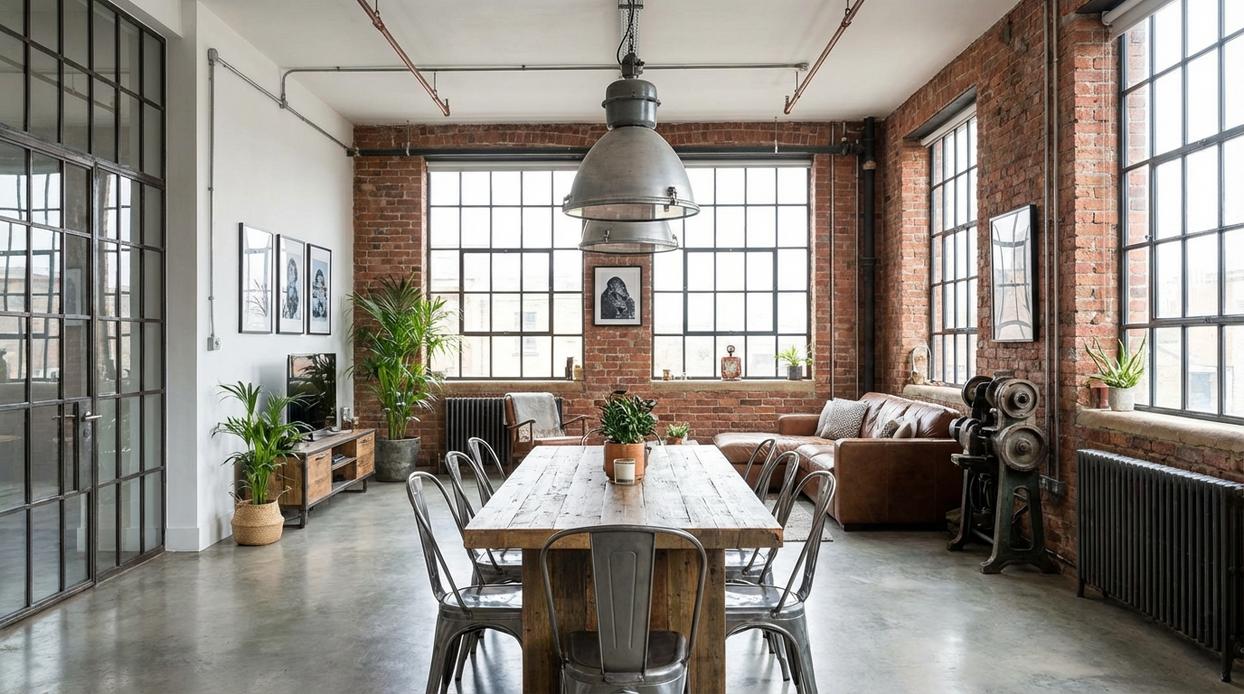
The foundation of any industrial room is the statement sofa. Go large-scale and unapologetically comfortable. Think worn leather that patinas over time or dark, textured linen that hides real life (because spills happen). While some argue leather feels too heavy, high-performance linen offers the same depth with a softer edge. Durability is the real luxury here.
For tables and surfaces, mass matters. Thick wood slabs paired with steel bases ground the room visually and structurally. Concrete-topped dining tables are a rising favorite—sleek, resilient, and surprisingly versatile. Critics say concrete feels cold, but layered with warm lighting and textiles, it becomes sculptural rather than stark.
Storage should work as hard as it looks:
- Open shelving with pipes and reclaimed planks
- Vintage lockers for concealed storage
- Metal cabinets with factory-style hardware
These pieces embody the industrial decor style guide while adding authenticity competitors often overlook: true material honesty.
The magic happens when mixing eras. Pair a worn armchair with clean-lined metal furniture to create tension and balance. If you love contrast, explore how texture layering works in bohemian chic interiors layers colors and personality (https://ththomedec.net/bohemian-chic-interiors-layers-colors-and-personality/). Pro tip: keep one dominant finish to avoid visual clutter.
Lighting as Art: Setting the Industrial Mood
In industrial spaces, lighting isn’t just functional—it’s sculpture with a switch. Metal cage pendants and exposed Edison bulbs (those vintage-style filaments you’ve seen in every cool café) bring raw authenticity overhead. Track lighting adds precision, letting you spotlight brick walls, steel shelving, or that statement leather sofa. Some critics argue Edison bulbs are overdone—and they might be right—but their warm glow softens hard edges in a way LEDs often can’t.
Layering matters. Tripod floor lamps introduce height and drama, while pharmacy-style reading lamps deliver targeted light with mechanical charm. Fixtures with concrete bases ground the room—literally and visually. According to the American Lighting Association, layered lighting improves both mood and functionality in living spaces.
Don’t skip dimmers. In rooms filled with metal and stone, brightness can bounce harshly. Dimmers let you dial intensity up or down (think warehouse by day, speakeasy by night). Pro tip: install smart dimmers—speculation suggests adaptive lighting will soon become standard in every industrial decor style guide.
The Finishing Touches: Accessorizing Your Industrial Haven
After the heavy lifting is done, it’s the layers that make an industrial space feel lived-in rather than warehouse-cold. Start with natural textiles: jute or sisal rugs ground the room, linen curtains filter light without fuss, and chunky knit throws soften sharp metal edges (because no one wants to lounge in a steel box).
For walls, think bold—large-scale abstract art, vintage mechanical patent prints, or oversized black-and-white photography. These choices echo the industrial decor style guide while adding personality.
- Display old books, weathered tools, or unique mechanical finds.
Give it time; great spaces evolve, not overnight.
Crafting Your Cohesive Industrial Interior
Start with the bones: exposed brick, concrete floors, steel beams. If they’re missing, mimic them with textured finishes. Layer a warm neutral palette—think taupe, camel, charcoal—to soften the edge. Choose functional furniture with clean lines and honest materials. Finish with strategic lighting (Edison bulbs are popular for a reason) and personal decor that tells your story.
The payoff? A space that feels raw yet livable.
If you feel overwhelmed, begin with one anchor piece—a reclaimed wood table or bold pendant—and build outward using an industrial decor style guide. Start small, stay consistent, and edit ruthlessly.
Bring Your Industrial Vision to Life
You came here looking for clarity on how to design a space that feels raw, modern, and effortlessly stylish. Now you have a clear roadmap to apply every principle in this industrial decor style guide with confidence.
An unfinished or poorly styled space can feel cold, cluttered, or disconnected. But when industrial elements are balanced correctly—metal with wood, texture with structure, openness with intention—you create a space that feels bold yet inviting.
Don’t let your home fall flat or feel uninspired. Take action today: start refining one room using the core principles you’ve learned, or get expert guidance to ensure every detail works together seamlessly. We’re trusted by design-focused homeowners who want practical, proven strategies that transform ordinary rooms into striking industrial spaces.
If you’re ready to turn exposed beams, raw textures, and modern finishes into a cohesive statement, now’s the time to elevate your space. Apply these ideas today and create a home that truly reflects your vision.