Designing a beautiful, functional home can feel overwhelming—especially when you’re trying to balance style, comfort, and smart use of space. If you’re searching for practical home concepts, interior design strategies, and fresh decor inspiration, this article is built to guide you step by step. We focus on actionable ideas that help you transform any room with clarity and confidence.
Inside, you’ll discover modern TH decor aesthetics, creative ways to elevate everyday spaces, and furniture placement strategies that instantly improve flow and functionality. Whether you’re refreshing a single room or rethinking your entire layout, the goal is simple: help you create a home that feels intentional and uniquely yours.
To ensure accuracy and relevance, we draw from established interior design principles, industry best practices, and insights aligned with current home styling trends. The result is a practical, trustworthy guide designed to help you make informed design decisions and achieve results you’ll love.
Arranging furniture isn’t about copying a showroom; it’s about choosing function over formula. Template layouts vs tailored flow—that’s the real comparison.
First, measure your room and define its purpose. A living room for movie nights needs a focal point like the TV; a conversation space centers on seating. Symmetry vs asymmetry matters: matching sofas feel formal, while mixed seating feels relaxed (think sitcom set versus cozy indie film).
Next, map traffic paths. Cramped corners happen when walkways are ignored. Use furniture placement strategies to anchor large pieces before adding accents.
Finally, edit. More furniture or breathing room? Usually, less wins.
The Foundation: Mapping Your Space and Defining Its Purpose
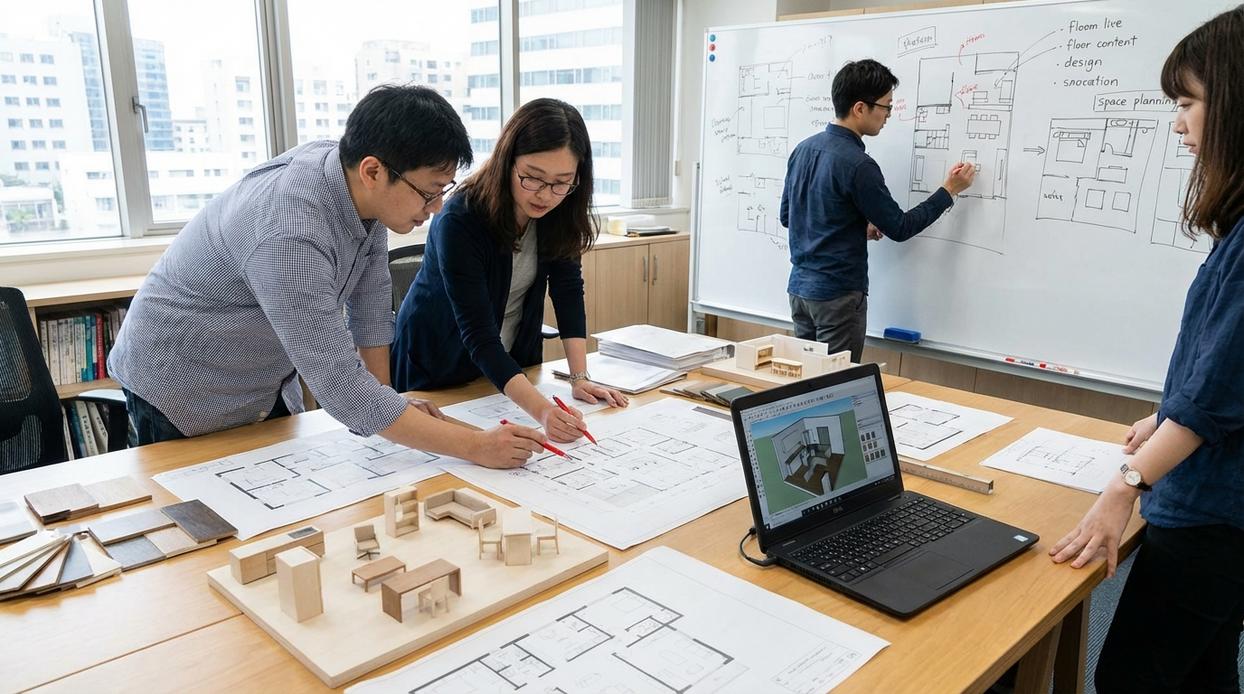
Before you even think about buying new decor, pause. I firmly believe every great room starts with a clear plan (yes, even if you love improvising). First, grab a tape measure and sketch your layout—on paper or digitally. Include doors, windows, and electrical outlets. Those small details? They dictate more than you think. For example, placing a sofa without noting outlet locations often leads to extension cords snaking across the floor (and no one wants that look).
Next, determine the room’s primary function. Is it for conversation, movie nights, dining, or sleeping? In my opinion, trying to make one space serve five purposes usually waters down all of them. Instead, prioritize. A living room designed for conversation should encourage eye contact, while a media-focused space naturally centers around the screen.
Then, identify a focal point. Every room needs one. It could be:
- A fireplace
- A large window with a view
- A statement art piece
- A built-in bookshelf
Arrange your main pieces around it using thoughtful furniture placement strategies. Some argue rooms should feel spontaneous, not structured. I disagree. Intention creates harmony—and harmony always feels better.
Placing the Anchors: Positioning Your Largest Pieces First
If you’ve ever rearranged a room and thought, “Why does this still feel off?” the issue is usually placement order. That’s where the Anchor Principle comes in. An anchor is the largest, most visually dominant piece of furniture in a room. It sets the layout direction. Everything else flows from it.
In other words, don’t start with the side table. Start with the statement.
Living Room
First, position the sofa. It’s typically the anchor because of its size and daily use. Ideally, it should face the room’s focal point—perhaps a fireplace, large window, or television. While many people instinctively push sofas flat against a wall, pulling it even a few inches forward can make the room feel more open and intentional (yes, a tiny shift can change everything).
Bedroom
Next, consider the bed. It’s the undisputed anchor here. The headboard should ideally sit on the wall opposite the door. Designers call this a commanding position, meaning you can see the entrance without being directly in line with it. The result feels balanced and welcoming—almost like the room is greeting you.
Dining Room
Finally, the dining table takes center stage. Leave 36–48 inches between the table edge and walls or other furniture. That clearance ensures comfortable movement—no awkward chair shuffling required.
These furniture placement strategies simplify decision-making. Once the anchor is set, smaller pieces naturally fall into place. For more foundational layout ideas, explore our home design basics.
Creating Flow: Designing for Movement and Conversation
Designing for flow simply means arranging a room so people can move naturally and talk comfortably without bumping into furniture (or each other). Think of it like choreography: every sofa, chair, and table has a role to play.
Establish Clear Traffic Paths
Traffic paths are the invisible lines people follow to enter, exit, or cross a room. These pathways should stay open and intuitive. A main walkway needs to be 30–36 inches wide so two people can pass without turning sideways. If guests have to shuffle around a chair, the layout isn’t working.
Arrange for Conversation
Conversation areas should feel intimate, not like a boardroom. Keep seating within 8 feet of each other so voices stay relaxed and natural. This is where smart furniture placement strategies make all the difference.
- Angle chairs slightly inward
- Anchor seating with a rug
- Keep sightlines open
The Coffee Table Rule
Place the coffee table 14–18 inches from the sofa. This distance balances reach and legroom (no awkward knee collisions).
If proportions feel tricky, revisit designing with proportion and scale a practical guide to see how size relationships shape comfort and flow.
Layering the Details: Rugs, Lighting, and Accent Pieces
First, let’s talk rugs. A small rug that floats under a coffee table can make furniture feel disconnected. In contrast, a properly sized rug anchors the room. At minimum, the front two legs of your sofa and chairs should sit on the rug. That simple shift defines zones with rugs and instantly makes a layout feel intentional (yes, size really does matter here).
Next, consider lighting. One overhead fixture alone vs. a layered plan? Night and day. Implement a lighting plan with:
- Ambient lighting for overall illumination
- Task lighting for reading or work
- Accent lighting to highlight art or architectural details
Spread these sources around the room to avoid harsh shadows.
Finally, add secondary furniture. An empty corner vs. a reading nook with an accent chair and ottoman shows how furniture placement strategies create balance. End tables and accent pieces fill gaps while adding everyday function.
Your Blueprint for a Perfectly Balanced Room
You now have a function-first roadmap to transform any space—without the back-breaking trial and error. Some argue creativity should lead and rules restrict it. However, structure fuels creativity. When you prioritize purpose first, style follows naturally (and your sofa won’t block the doorway).
- Define the room’s primary function.
- Establish a focal point.
- Map clear traffic flow.
- Balance scale and proportion.
- Layer lighting and accents last.
These furniture placement strategies remove guesswork and ensure harmony. So, instead of randomly shifting heavy pieces, measure, sketch, and refine. Ultimately, thoughtful planning creates beauty that truly works for your life.
Bring Your Space Together with Confidence
You came here looking for practical ways to elevate your home with smarter design choices, better flow, and a cohesive TH decor aesthetic. Now you understand how thoughtful styling, intentional layouts, and furniture placement strategies can completely transform how your space looks and feels.
A poorly arranged room can feel cramped, chaotic, or uninspiring. But when every piece has purpose and placement, your home becomes functional, balanced, and beautifully aligned with your lifestyle.
The next step is simple: apply these concepts room by room and evaluate what’s working — and what isn’t. Start with layout adjustments, refine your decor layers, and optimize each corner for both beauty and usability.
If you’re ready to eliminate design guesswork and create a home that truly reflects your vision, now is the time to take action. Explore expert-backed home concepts and proven styling insights trusted by design enthusiasts who want results that last. Transform your space today with guidance that turns ideas into stunning reality.