

If you’ve been searching for a design style that feels calm, functional, and effortlessly beautiful, the japandi design aesthetic may be exactly what your home needs. Blending the warmth of Scandinavian simplicity with the refined minimalism of Japanese interiors, this approach creates spaces that feel intentional, balanced, and deeply livable.
Many homeowners struggle to find a style that isn’t overly stark or excessively decorative. The japandi design aesthetic solves this by combining clean lines, natural materials, muted tones, and purposeful décor—resulting in interiors that feel both cozy and uncluttered. In this article, you’ll discover the core principles behind this design philosophy, practical ways to apply it in any room, and smart space-optimization strategies that elevate both form and function.
Our insights are grounded in proven interior design principles, spatial harmony techniques, and carefully studied global design trends. Whether you’re redesigning a single room or reimagining your entire home, this guide will give you clear, actionable steps to bring timeless simplicity and refined comfort into your space.
Finding Harmony: The Art of Japandi Design
By incorporating elements of Japandi design, a harmonious fusion of Japanese minimalism and Scandinavian functionality, you can create a serene space that beautifully aligns with the concepts explored in our article on mixing old and new design styles – for more details, check out our Mixing Old and New: Strategic Ways to Blend Design Styles.
Creating calm at home isn’t accidental. A 2022 Houzz survey found 63% of homeowners prioritize relaxation in renovations, yet many report spaces feel either sterile or cluttered. The japandi design aesthetic solves this tension by pairing Japanese minimalism—defined as intentional simplicity—with Scandinavian hygge, meaning cozy comfort. Think light oak tables, low-profile sofas, and hand-thrown ceramics (yes, Marie Kondo would approve).
Start with a muted palette: warm whites, soft grays, and earthy beiges. Research from the Journal of Environmental Psychology shows neutral tones reduce cognitive fatigue. Choose functional furniture with craftsmanship—quality over quantity. The result is serenity that actually works beautifully.
Understanding the Roots: Wabi-Sabi Meets Hygge
Japanese Wabi-Sabi is the art of finding beauty in imperfection. It values asymmetry, natural materials, and the quiet dignity of craftsmanship. A hand-thrown ceramic bowl with an uneven rim isn’t flawed—it’s alive. The concept is rooted in Buddhist philosophy, emphasizing transience and simplicity (Koren, Wabi-Sabi for Artists, Designers, Poets & Philosophers). I’ve always felt Wabi-Sabi gives a home soul; it whispers instead of shouts. Perfectly imperfect becomes the goal.
Scandinavian Hygge (pronounced “hoo-gah”) centers on coziness, comfort, and contentment. Think clean lines, functional furniture, light-filled spaces, and soft natural textures like wool or linen. Denmark consistently ranks among the happiest countries in the world (World Happiness Report), and many credit hygge’s everyday rituals—candles at dinner, warm throws on simple sofas. In my view, hygge proves minimalism doesn’t have to feel cold.
When these philosophies merge, magic happens. The japandi design aesthetic blends Japanese rustic minimalism with Scandinavian warmth and function. You get calm spaces that feel curated yet livable.
- Natural wood tones
- Soft neutral palettes
- Handmade décor with purpose
Some argue the mix risks feeling too restrained. I disagree. When balanced thoughtfully, it feels both modern and timeless (and refreshingly human).
The Japandi Color Palette: Crafting a Serene Atmosphere
Think of your home’s color palette as the soundtrack to a quiet morning. In the japandi design aesthetic, neutrals are the soft piano notes setting the mood. Start with off-white, beige, stone, and light gray. These shades act like open windows, reflecting light and creating breathing room. They’re the calm before the day begins (and who doesn’t want that feeling bottled up in their living room?).
Then, layer in Japanese-inspired richness—like adding cello to the melody. Indigo blue, terracotta, sage green, or even touches of black bring contrast and emotional depth. Without them, the space can feel a little too vanilla.
Application tips:
- Use lighter neutrals on walls and large furniture to anchor the room.
- Reserve deeper tones for textiles, ceramics, or a single accent wall.
- Add black sparingly for definition, like outlining a sketch.
The result? A space that feels balanced, grounded, and quietly confident.
Materials and Textures: The Soul of the Space
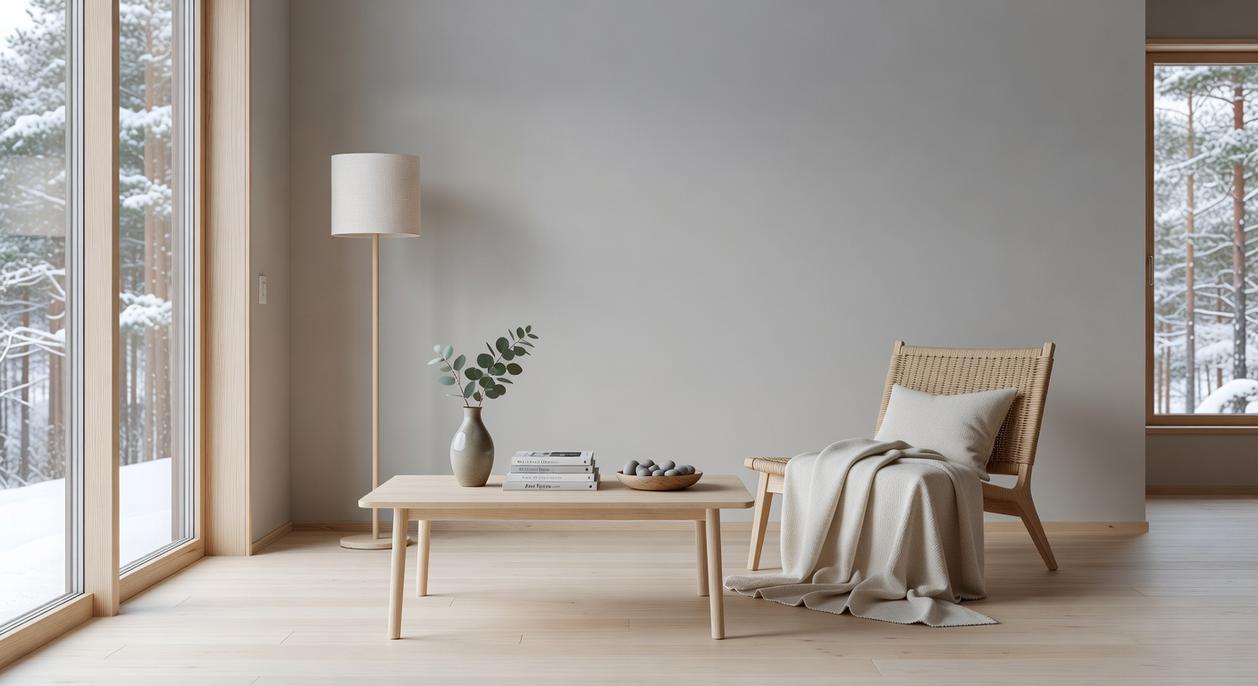
Materials do more than fill a room—they set its emotional tone. If you’re aiming for balance and warmth, start with natural wood. Scandinavian interiors often feature light-stained oak, maple, or pine, which reflect light and make compact rooms feel open. In contrast, Japanese-inspired spaces lean toward darker walnut or stained bamboo, adding depth and quiet drama. While some argue you should never mix wood tones, thoughtful contrast actually creates dimension. For example, pair a pale oak dining table with walnut chairs to ground the space. The key is repetition—echo each tone at least twice so it feels intentional (not accidental).
Next, layer tactile textiles. Linen curtains, cotton throws, wool rugs, and even burlap accents soften hard surfaces and bring in that cozy hygge comfort. If a room feels cold, adding a chunky knit blanket or woven cushion often fixes it instantly.
Then, embrace imperfection. Wabi-sabi celebrates beauty in the slightly irregular—handmade ceramics, rattan lighting, jute rugs, or bamboo trays with visible grain. These elements add authenticity and prevent a space from feeling staged. In a japandi design aesthetic, this balance between refinement and raw texture is what makes the room feel truly lived in. For broader context, explore understanding contemporary home decor aesthetics in 2026.
Furnishing Your Space: Functionality Meets Simplicity
Low-Profile Silhouettes
To begin with, furniture that sits low to the ground draws from Japanese interiors, where floor-level living fosters calm and connection to the earth. Platform beds, low-slung sofas, and streamlined coffee tables visually expand a room by keeping sightlines open. As a result, ceilings feel higher and spaces breathe more easily (yes, even that small apartment living room). This approach is a defining trait of the japandi design aesthetic, blending grounded comfort with airy restraint.
Clean Lines and Craftsmanship
Equally important, prioritize clean lines and honest materials. Solid oak frames, hand-finished walnut surfaces, and tightly woven linen upholstery offer durability without ornate distraction. According to the American Hardwood Export Council, quality hardwood furniture can last generations with proper care. In other words, fewer carvings and more craftsmanship mean timeless appeal and long-term value.
Function First
However, minimal doesn’t mean impractical. Every piece should serve a clear purpose. Storage benches, lift-top coffee tables, and built-in shelving reduce visible clutter while maximizing square footage. Thoughtful storage keeps rooms livable without sacrificing simplicity.
Statement Pieces
Finally, invest in one standout item—a handcrafted coffee table or sculptural armchair—rather than several filler pieces. One exceptional design anchors the room (and quietly steals the spotlight).
Bringing Your Japandi Sanctuary to Life
Creating a home that feels intentional isn’t about buying more—it’s about choosing better. In my opinion, that’s where most people get it wrong. They chase minimalism and end up with a space that feels like a showroom (beautiful, but slightly soulless). The magic of the japandi design aesthetic is that it solves this.
By blending wabi-sabi—the acceptance of imperfection—with hygge—a Danish concept of cozy contentment—you create a home that feels both refined and lived-in. A handcrafted ceramic bowl on a clean oak table. A soft linen throw over a structured chair. Simple, but never sterile.
Why does this work so well?
- Natural materials calm the senses.
- Functional design reduces visual noise.
- Uncluttered spaces support mental clarity (studies link tidy environments to lower stress levels, per Princeton Neuroscience Institute).
If you ask me, the best way to begin is small. Start with one room. Declutter. Let one meaningful piece breathe. Transformation doesn’t need to be dramatic—just deliberate.
Bring Calm, Balance, and Function Into Your Space
You came here looking for clarity on how to achieve a cohesive, calming home that feels intentional instead of cluttered. Now you understand how the japandi design aesthetic blends warmth and minimalism, how to choose functional pieces with purpose, and how to create a balanced space that truly feels like home.
If you’ve been struggling with rooms that feel overwhelming, mismatched, or lacking personality, this approach offers a clear path forward. Clean lines, natural textures, muted tones, and smart space planning work together to eliminate visual noise and restore harmony.
The next step is simple: start small and be intentional. Declutter one area, introduce natural materials, and focus on quality over quantity. If you want expert guidance to transform your home with proven interior strategies and space-optimizing concepts, now is the time to take action. Discover tailored design ideas and start creating a home that feels calm, functional, and beautifully balanced today.
 Constancel Gonzalezambadova brings a refined eye for detail to the team, focusing on the nuanced application of interior design strategies. Her work is dedicated to translating complex home concepts into actionable steps, ensuring that every design element aligns with a cohesive aesthetic. By prioritizing the intersection of style and utility, she helps bridge the gap between creative vision and the everyday functionality of a living space.