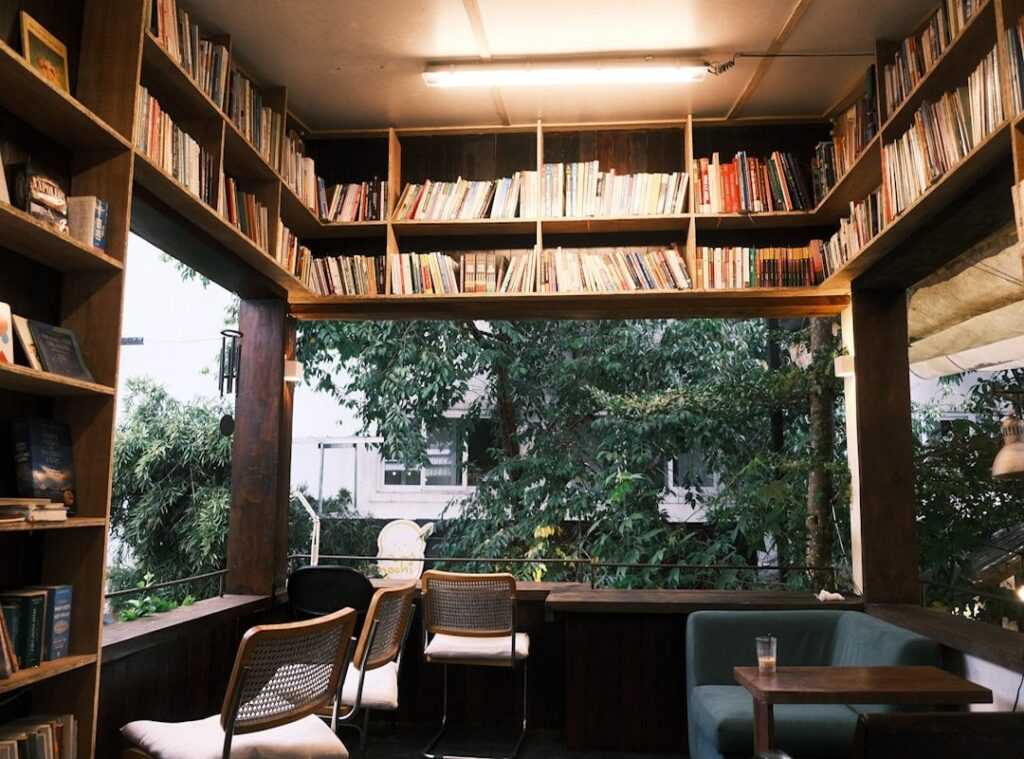

Struggling to make a room feel balanced, cohesive, and visually appealing? Understanding proportion and scale in design is the key to transforming any space from awkward to effortlessly harmonious. Whether you’re redesigning a small apartment or refreshing a larger home, getting the relationship between furniture, décor, and room size right can dramatically impact how your space looks and feels.
This article is designed to help you master the fundamentals of proportion and scale so you can confidently choose furniture, arrange layouts, and layer decorative elements without overwhelming—or underwhelming—your space. We break down essential principles into practical, easy-to-apply strategies that work in real homes, not just showrooms.
Our insights are grounded in proven interior design principles and real-world space planning techniques used by experienced designers. By the end, you’ll understand how to create visual balance, improve flow, and make every room feel intentionally styled and beautifully composed.
Walk into certain rooms and something clicks. The light, the furniture, the spacing—it just feels right, even if you can’t explain it. That sensation isn’t luck or expensive taste. It’s proportion and scale working quietly behind the scenes.
Most people think great interiors require bigger budgets or trendier pieces. I disagree. Oversized sofas and tiny rugs don’t look luxurious; they look confused (yes, even the Instagram-famous ones).
Here’s what actually matters:
- Match furniture size to room dimensions.
- Balance visual weight across the space.
When you use proportion and scale in design intentionally, awkward rooms become effortlessly harmonious spaces.
Defining the Core Concepts: Scale vs. Proportion
As you delve into the principles of proportion and scale in design, don’t miss our Renovation Tips on Decoradhouse to help you bring your vision to life with practical insights – for more details, check out our Renovation Tips Decoradhouse.
Let’s clear this up first: scale and proportion are not interchangeable. They’re related, yes—but confusing them is like mixing up miles and miles per hour (close cousins, very different jobs).
What is Scale?
Scale refers to the size of an object in relation to the space it occupies or to other objects around it. For example, imagine a massive, overstuffed sofa crammed into a tiny apartment living room. Even if the sofa is beautiful, the scale is wrong. It overwhelms the room and disrupts movement. When choosing furniture, always measure your space first and compare dimensions carefully—don’t rely on showroom impressions alone.
What is Proportion?
Proportion describes the relationship between the sizes of different parts of a single object or composition. Picture a chair with a very tall back and very short legs. It would look awkward because its parts aren’t balanced. When evaluating pieces, step back and ask: do these elements feel visually harmonious?
Ultimately, proportion and scale in design are judged against human scale. If a table feels too high to dine comfortably or a lamp dwarfs your side table, adjust. Choose pieces that support real living, not just aesthetics.
The Golden Ratio: Nature’s Blueprint for Harmony
The Golden Ratio—approximately 1:1.618—is a mathematical relationship often described as nature’s formula for perfect proportion. It appears in nautilus shells, sunflower spirals, even the Parthenon in Greece (proof that good taste is timeless). Mathematicians call it phi, and designers call it balance.
In interiors, this abstract idea becomes practical through a simple 2:3 ratio. For example, a coffee table should be about two-thirds the length of the sofa it sits in front of. This creates visual harmony without overwhelming the room.
Here’s how to apply it:
- Hang artwork so its midpoint sits at eye level (about 57–60 inches from the floor).
- Arrange seating so furniture groupings follow balanced spacing rather than rigid symmetry.
- Layer décor in varied heights to reinforce proportion and scale in design.
Some argue strict ratios limit creativity. In reality, they provide structure—like a blueprint—so your space feels intentional, not accidental.
Mastering Scale to Create Visual Impact

The Anchor Piece Strategy
Every room needs a starting point. Designers call this the anchor piece—usually the largest, most important item, like a sofa in a living room or a bed in a bedroom. Once that’s in place, scale everything else relative to it. If your sectional seats five, a tiny coffee table will look like it wandered in from another apartment (awkward). Instead, choose side tables, rugs, and lighting that visually “hold hands” with the anchor. Pro tip: your rug should extend at least under the front legs of major furniture to avoid the floating-island effect.
Playing with Scale for Drama
Want instant impact? Go big—intentionally. An oversized art piece on a modest wall or a dramatic pendant light over a dining table creates a focal point that feels curated, not cluttered. Think of it like a movie close-up: your eye knows exactly where to look. Some argue oversized decor overwhelms small rooms. Not necessarily. When done thoughtfully, bold scale simplifies the visual story.
The Danger of “Small Stuff”
Rooms filled with tiny decor pieces often feel chaotic. Lots of small frames, knickknacks, and petite furniture create visual noise. Fewer, larger elements feel calmer and more sophisticated. If you love variety, explore mixing old and new strategic ways to blend design styles while keeping scale intentional.
Architectural Considerations
Use proportion and scale in design to respond to ceiling height and room dimensions. Tall bookcases and high-hung curtains emphasize lofty ceilings. In lower spaces, choose streamlined, low-profile furniture to create breathing room. When scale aligns with architecture, everything just feels right.
Applying Proportion for a Cohesive Look
Great rooms feel balanced, not crowded or chaotic.
Start with furniture groupings. A sofa with a towering end table feels awkward, while a table level with or slightly below the arm creates harmony. Pair that with a lamp whose bottom of the shade aligns near eye level when seated, and you create a clean visual line. Think of it as A vs B: mismatched heights shout for attention; aligned heights whisper sophistication. Pro tip: measure before you buy, not after you regret it.
Patterns tell a similar story. A large-scale print on a tiny pillow overwhelms, but the same print on a rug grounds the space. Small, tight patterns shine on throws or vases where detail can be appreciated up close. In short, use proportion and scale in design to decide what goes BIG and what stays subtle. YES, SIZE MATTERS.
Then there’s the Rule of Odds. Three pillows feel curated; two feel predictable. Five vases create movement; four can look staged.
Finally, respect negative space. Empty areas let statement pieces breathe. Packed shelves compete; spaced shelves showcase. Explore more interior design strategies at design tips. Balance isn’t about adding more; it’s about knowing when to STOP. Less truly becomes more sometimes.
Understanding the difference between scale and proportion is the foundation of intentional interiors. In short, scale compares an object to a room, while proportion measures the relationship of parts within a whole. Together, proportion and scale in design help spaces feel balanced rather than awkward.
Start small. Choose one room and conduct a quick audit:
- Identify the largest anchor piece.
- Compare surrounding furniture to it.
- Notice anything that feels oversized or undersized.
What’s next? Adjust lighting, rugs, or art before replacing furniture. These are guidelines, not rules—train your eye, trust your instincts, and refine over time with patience and curiosity.
Bring Balance and Beauty Into Every Room
You came here looking for clarity on how to create a home that feels balanced, functional, and beautifully cohesive. Now you understand how proportion and scale in design shape the way a space looks, feels, and flows.
When rooms feel awkward, cramped, or visually overwhelming, the real issue is often imbalance. Oversized furniture, undersized décor, or poorly scaled layouts can quietly disrupt comfort and harmony. The good news? Once you recognize the importance of proportion and scale in design, you can make intentional choices that instantly elevate your space.
Start by reassessing one room today. Measure your furniture, evaluate spacing, and adjust décor so every piece complements the room instead of competing with it. Small refinements can create dramatic results.
If you’re tired of second-guessing your design decisions and want a home that feels perfectly put together, get expert guidance today. Our proven home styling strategies have helped countless homeowners transform unbalanced spaces into stunning, functional environments. Take the next step now and turn your vision into a beautifully balanced reality.
 Constancel Gonzalezambadova brings a refined eye for detail to the team, focusing on the nuanced application of interior design strategies. Her work is dedicated to translating complex home concepts into actionable steps, ensuring that every design element aligns with a cohesive aesthetic. By prioritizing the intersection of style and utility, she helps bridge the gap between creative vision and the everyday functionality of a living space.