Creating a home that feels cohesive, functional, and uniquely yours isn’t always easy. You may have plenty of inspiration saved, yet still struggle to bring it all together in a way that feels intentional and comfortable. This article is designed to help you bridge that gap with practical home concepts, interior design strategies, and space optimization tips that turn ideas into livable results.
Whether you’re refreshing a single room or reimagining your entire space, we’ll guide you through smart layout planning, thoughtful décor choices, and the art of balancing color and texture to achieve a polished look. Every recommendation is grounded in proven design principles and real-world application, ensuring advice you can trust and actually use.
By the end, you’ll have clear, actionable insights to create a home that not only looks beautiful but also supports the way you live every day.
Great rooms are not painted; they are composed. Research from the University of Texas found that textured environments increase perceived warmth and comfort by up to 30% (Journal of Environmental Psychology). Texture—wood grain, linen weave, brushed brass—creates SHADOW, contrast, and touchable depth. Think of a monochrome beige room layered with boucle chairs and matte clay walls; suddenly, it feels alive (like a film set before the actors arrive). The key is balancing color and texture through intentional layering: pair cool blues with rough jute, or warm terracotta with smooth plaster. Flat rooms rarely inspire emotion.
The Foundation of Feeling: A Practical Guide to Color Psychology
Color temperature sets the emotional tone of a room. Warm colors—like reds and oranges—create energy and intimacy. Think cozy dining rooms or lively kitchens. In contrast, cool colors—such as blues and greens—evoke calmness and openness. Picture a spa-like bathroom versus a bustling café. Neither is “better”; it’s mood A vs. mood B. The key is choosing based on how you want the space to feel.
Next, consider the designer’s 60-30-10 rule. This framework divides your palette into 60% dominant color, 30% secondary color, and 10% accent color. For example, soft beige walls (60%), a navy sofa (30%), and brass or rust-toned pillows (10%). Without this structure, rooms can feel chaotic; with it, they feel intentional.
Now, applying it step by step: first, select a wall color that anchors the room. Then layer furniture in a complementary secondary tone. Finally, add personality through art, textiles, or ceramics. This approach naturally supports balancing color and texture.
However, bold primaries aren’t your only option. Muted, desaturated, and earthy tones often feel more refined. Bright red vs. clay terracotta? The latter typically reads calmer and more sophisticated. Sometimes subtlety makes the strongest statement.
The Power of Touch: Weaving Texture into Your Design Narrative
Defining Visual Weight
Texture is what gives a room visual weight—the sense that objects have substance and presence. Visual weight refers to how heavy or light an element feels, regardless of its actual mass. A chunky knit blanket draped over a sofa feels warmer and cozier than a thin silk sheet (even before you touch it). I once styled a living room entirely with smooth cotton and polished surfaces. It looked clean—but also flat. Guests described it as “nice” (the design equivalent of faint praise). Lesson learned: without tactile contrast, a room lacks emotional gravity.
A Lexicon of Textures
Understanding texture categories helps you design with intention:
- Soft & Plush: Velvet, chenille, faux fur. These add comfort and quiet luxury—think boutique hotel vibes.
- Natural & Raw: Jute, sisal, linen, unfinished wood. They ground a space and connect it to nature (very Nancy Meyers kitchen energy).
- Smooth & Sleek: Metal, glass, lacquer, polished stone. These reflect light and create a modern, tailored finish.
Early in my design experiments, I leaned too heavily on sleek finishes. The result? A room that felt like a showroom instead of a home. Texture, I realized, is the antidote to sterility.
The Critical Role of Contrast
Contrast is where texture comes alive. A rough brick wall behind a smooth leather sofa creates tension—in a good way. Studies in environmental psychology show layered sensory details increase perceived comfort (Journal of Environmental Psychology, 2019).
The real magic happens when balancing color and texture so neither overpowers the other. Pair opposites thoughtfully, and your space won’t just look styled—it will feel storied. For layout ideas that support tactile layering, explore furniture placement strategies that improve flow and function.
The Art of the Mix: Three Professional Strategies for Combining Color and Texture
I once redesigned my own living room after realizing it looked like a furniture showroom—technically fine, emotionally flat. That’s when I truly understood the power of balancing color and texture.
Strategy 1: Monochromatic Depth
Monochromatic means building a room around one single color. Some critics argue this feels boring or “too safe.” I used to think so too—until I tried an all-white scheme. The secret isn’t the color; it’s contrast in materials. A fluffy shag rug, crisp linen curtains, a glossy lacquered table, and matte ceramic vases transformed the space. Same color, wildly different surfaces. The room suddenly had dimension (proof that white isn’t just for minimalists or Apple stores).
Strategy 2: Analogous Harmony
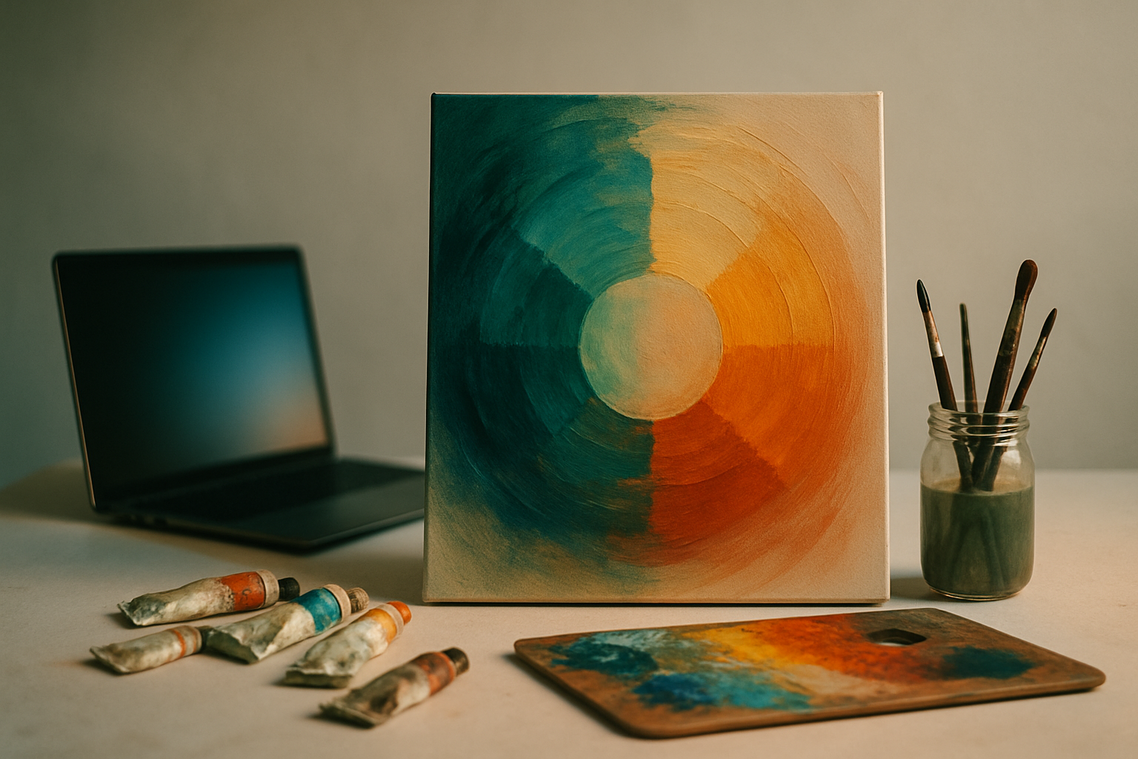
Analogous colors sit next to each other on the color wheel, like blue and green. Skeptics say it blends together too much. But when I paired a moss-green linen sofa with a deep blue jute rug under a natural-texture theme—wood, woven baskets, soft cotton throws—it felt intentional and calming. Think of it like casting actors from the same movie franchise: cohesive, but still distinct.
Strategy 3: High-Contrast Sophistication
Complementary colors are opposites—navy and orange, for example. Yes, bold. Yes, risky. The trick? Keep textures consistent. Matte velvet navy chairs beside a muted orange velvet ottoman felt refined instead of chaotic.
Case Study: In a recent living room makeover, I combined navy walls, a rust velvet sofa, and understated matte finishes throughout. The result was dramatic but polished—like a tailored suit with bright socks (noticeable, never messy).
Start small and you’ll see results fast. The easiest way to experiment is through textiles—throw pillows, blankets, curtains, or a area rug. These swaps are affordable, low-risk, and instantly elevate a room (yes, even that “meh” living room).
Aim for the Rule of Three: include at least three distinct textures so the space feels layered, not flat. This move builds depth and warmth.
However, avoid the showroom look—when everything is sleek, a room feels cold. Add something soft or organic.
Also, prevent sensory overload. Let one or two textures shine while balancing color and texture throughout. Why? Harmony feels expensive.
Now that you understand the core principles of elevating your home’s visual appeal, it’s time to think beyond paint swatches and Pinterest boards. The most unforgettable spaces don’t just look good; they feel good too. They whisper “stay awhile” through velvet cushions, nubby linen throws, and cool wooden bowls (yes, even bowls have charisma). In other words, it’s about balancing color and texture to create a layered, sensory experience.
So, start small. Choose one room. Add one tactile element this week. Consider it your home’s glow-up montage—no dramatic soundtrack required. Your senses will thank you, promise. Seriously, they absolutely will.
By mastering the art of balancing color, texture, and pattern, as discussed in our latest guide, you can create a harmonious space that feels curated, much like the innovative tips found in Wutawhacks 2021.
Bring Your Space Together with Confidence
You started this journey looking for practical ways to elevate your home with smarter design choices—and now you have the strategies to do it. From layout flow to lighting, from statement pieces to subtle accents, you’ve seen how small, intentional updates can completely transform a space.
The biggest frustration for most homeowners isn’t lack of inspiration—it’s not knowing how to pull everything together. When rooms feel mismatched or unfinished, it often comes down to balancing color and texture in a way that feels cohesive and natural. Master that, and your space instantly feels curated instead of chaotic.
Now it’s time to take action. Choose one room and apply these concepts today—refine your layout, edit what no longer serves the space, and layer in complementary tones and materials with purpose.
If you’re ready to stop second-guessing your design choices and finally create a home that feels polished and personal, explore more expert-backed home concepts and space optimization strategies now—and start designing with clarity and confidence.
 Danielle Ariasimba specializes in the art of space optimization and the practical execution of TH decor aesthetics. With a talent for identifying the hidden potential in any floor plan, she provides the creative insights necessary to transform standard layouts into highly efficient and visually engaging environments. Her contributions ensure that every project maintains a balance between modern sophistication and the essential comforts of home.