If you’re searching for smarter ways to make your home feel bigger, more organized, and effortlessly stylish, you’re in the right place. Today’s homeowners aren’t just looking for beautiful spaces—they want rooms that adapt, storage that works harder, and layouts that support modern living. This article is designed to guide you through practical, design-forward strategies that blend comfort with functionality, with a special focus on multi-functional home design.
We’ll explore how to maximize square footage, choose versatile furniture, and create flexible layouts that evolve with your needs. Every recommendation is grounded in proven interior design principles, space-planning expertise, and real-world application—so you can trust that the ideas shared here are both achievable and impactful.
Whether you’re refreshing a small apartment or rethinking a larger home, you’ll find clear, actionable insights to help you design a space that looks refined and works beautifully every day.
Your Home, Reimagined: More Space, Less Stress
A beautiful home means little if it doesn’t work for your daily life. The secret? Start with function, then layer style.
Try this simple reset:
- Define zones in every room (even a studio can have a “living” and “working” corner).
- Choose furniture with hidden storage—think ottomans that open or beds with drawers.
- Use vertical space: floating shelves draw the eye up and free the floor.
This is the essence of multi-functional home design: pieces that serve at least two purposes. For example, a fold-out desk in the hallway transforms wasted space into a productivity nook (no renovation required).
Pro tip: edit first, decorate second.
The Art of Double Duty: Multi-Functional Furniture
Small spaces don’t fail because they’re tiny. They fail because they’re filled with single-purpose furniture. In fact, according to the U.S. Census Bureau, the average size of new apartments has shrunk in recent years, while urban rents continue to rise—meaning every square foot costs more than ever. Wasted space isn’t just inconvenient; it’s expensive.
That’s where multi-functional home design proves its value.
1. Coffee Tables with Hidden Talents
Lift-top coffee tables can convert into dining or work surfaces (a lifesaver in studio apartments). Models with built-in storage reduce visible clutter, which UCLA’s Center on Everyday Lives of Families links to lower stress levels in compact homes. Some even include nested stools—extra seating without extra bulk.
2. Sleeper Sofas and Storage Ottomans
Modern sleeper sofas are nothing like the back-breaking versions from the ’90s (your guests will thank you). Brands now use memory foam mattresses and ergonomic frames, addressing past comfort complaints. Storage ottomans double as seating and blanket bins—two functions, one footprint.
3. Expandable Dining Tables
Drop-leaf and extendable tables adapt instantly. Research from the American Institute of Architects notes growing demand for flexible dining areas in smaller homes. One table that shifts from two to six seats? That’s spatial efficiency in action.
4. Vertical Solutions: Murphy Beds
Wall beds can reclaim up to 30–40 square feet in a typical bedroom when folded away, according to furniture space-planning guidelines. By day, your bedroom becomes an office or workout zone (yes, even yoga counts).
Smart furniture isn’t trendy—it’s strategic.
Think Vertically: Smart Storage for a Clutter-Free Life
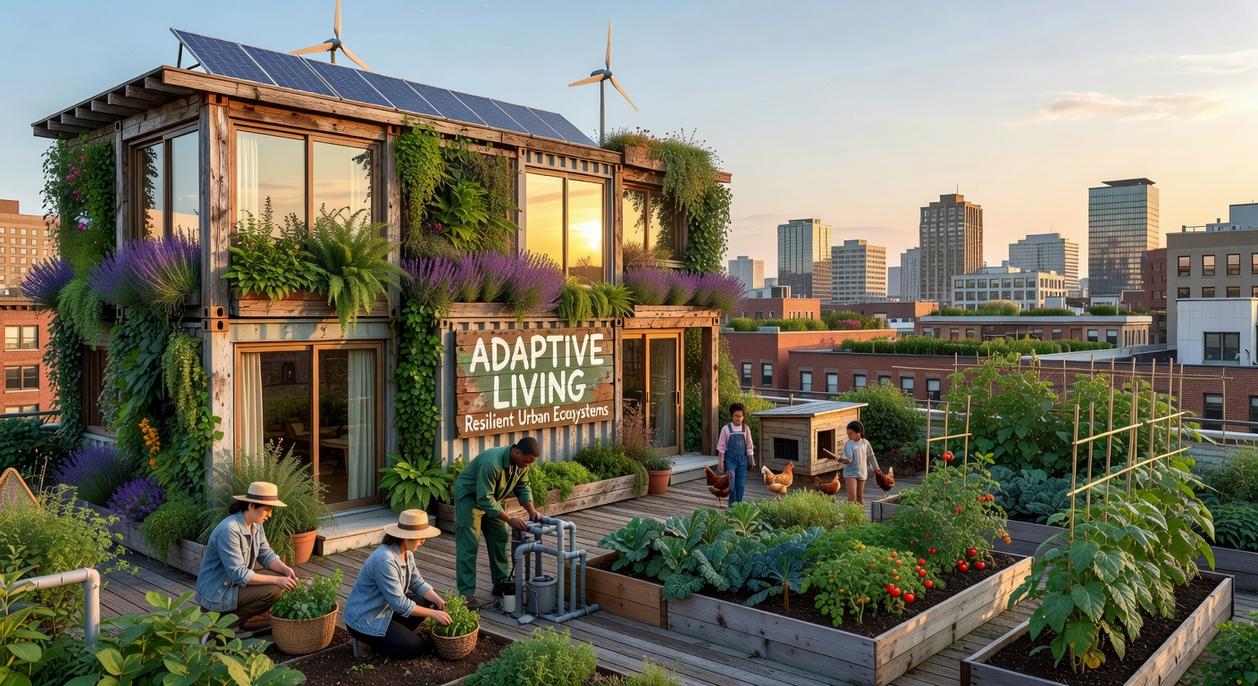
The golden rule of space optimization is simple: if you can’t build out, build up. Think of your walls as blank canvases in a gallery. When the floor gets crowded, the eye naturally travels upward—so why shouldn’t your storage?
Floating Shelves vs. Bookcases
Floating shelves are like minimalist tightrope walkers: light, airy, and visually unobtrusive. They carry what you need without the bulky footprint. Bookcases, on the other hand, are the dependable SUVs of storage—heavier, roomier, and capable of handling serious loads. Some argue bookcases make a room feel smaller. Fair point. Yet when styled thoughtfully, they anchor a space rather than overwhelm it (like a well-cast supporting actor who steals the scene without hijacking it).
Modular Storage Systems
Now, consider modular cubes and shelving units. They’re the Lego sets of adulthood. You rearrange, stack, or separate them to fit corners and awkward nooks. As your needs evolve, so can the layout—an essential principle of multi-functional home design.
Utilizing ‘Dead Space’
Above doorways, under stairs, even narrow hallways—these overlooked pockets are hidden treasure chests. Add slim shelves or built-ins, and suddenly “dead space” starts earning its keep.
Aesthetic Integration
Finally, make storage part of the decor. Coordinated bins, woven baskets, and uniform boxes act like matching outfits for your belongings—orderly, intentional, and effortlessly cohesive.
Creating Illusions: Light, Color, and Mirrors
I once moved into a 600-square-foot apartment that felt more like a hallway than a home. At first, I blamed the layout. But as I experimented, I realized something surprising: space is often a visual illusion. With the right design choices, a room can feel nearly twice its size (no demolition required).
The Power of Paint
To start, I repainted dark beige walls with a soft, warm white. Light, neutral colors—like whites, pale grays, and subtle pastels—reflect more light, a principle known as light reflectance value (LRV). The higher the LRV, the more light bounces around the room. As a result, walls appear to recede, creating depth. Even design studies show lighter palettes enhance perceived spaciousness (Journal of Environmental Psychology, 2014).
Strategic Mirror Placement
Next, I placed a large mirror directly opposite a window. Mirrors reflect both natural and artificial light, effectively doubling brightness and adding visual depth. Positioned correctly, they act like “visual doorways” into another dimension (very Alice in Wonderland, but practical).
Layered Lighting
Then, I layered lighting—ambient ceiling fixtures, task lamps for reading, and accent lights to highlight art. Eliminating dark corners makes a room feel open and welcoming. Pro tip: warm bulbs around 2700K prevent the space from feeling clinical.
Furniture with Legs
Finally, I swapped bulky sofas for pieces with visible legs. Seeing more floor creates negative space—empty areas that give the eye room to breathe. It’s a subtle shift, but paired with multi-functional home design, it transforms tight quarters beautifully. For more inspiration, explore modern vs traditional home concepts what fits your lifestyle.
Define Your Zones: Creating Function in Open Spaces
A single large room sounds luxurious—until it has to be a living room, dining area, and office at the same time. The trick is defining clear zones without building walls (because who wants to block that beautiful light?).
Using Area Rugs
A well-placed rug instantly anchors a space. Place one beneath your sofa and chairs to signal “this is the lounge.” Another under the dining table visually separates meals from movie nights. Designers often use rugs to create spatial boundaries in open plans (Architectural Digest).
Strategic Furniture Layout
Arrange seating to form natural pathways. Sofas can act as “invisible walls,” subtly dividing activities while keeping flow intact.
The Role of Open Shelving
Low, backless bookcases divide space without closing it off—ideal for multi-functional home design.
What’s next? Consider lighting layers and storage solutions to reinforce each zone’s purpose.
Start today. You already have the tools to rethink your space, and in my opinion, waiting only lets clutter win. Instead of wishing for more square footage, start reimagining what you own. For example, a storage ottoman can hide blankets while doubling as seating (a small win that feels huge). Likewise, wall-mounted shelves free the floor and the mind. I believe multi-functional home design is the smartest path forward because it forces intention. So, choose one corner this week. Then refine it. Momentum builds confidence, and confidence transforms homes. In short, progress beats perfection every single time. Start now, anyway.
Bring Your Space Together with Purpose and Style
You came here looking for smarter ways to design a home that feels intentional, functional, and beautifully cohesive. Now you have the strategies to make that happen — from layout flow and space planning to color harmony and multi-functional home design that works for real life.
A home that lacks structure or flexibility can quickly feel cluttered, cramped, or uninspired. The right design approach eliminates that frustration. When every corner serves a purpose and every element complements the next, your space doesn’t just look better — it works better.
The next step is simple: start applying these concepts room by room. Identify underused areas, rethink your layout, and incorporate pieces that serve more than one function while elevating your aesthetic.
If you’re ready to transform your home into a space that feels larger, smarter, and more aligned with your lifestyle, now is the time to act. Explore proven design strategies, implement intentional upgrades, and create a home that finally works as beautifully as it looks. Your ideal space is within reach — start redesigning today.
 Danielle Ariasimba specializes in the art of space optimization and the practical execution of TH decor aesthetics. With a talent for identifying the hidden potential in any floor plan, she provides the creative insights necessary to transform standard layouts into highly efficient and visually engaging environments. Her contributions ensure that every project maintains a balance between modern sophistication and the essential comforts of home.