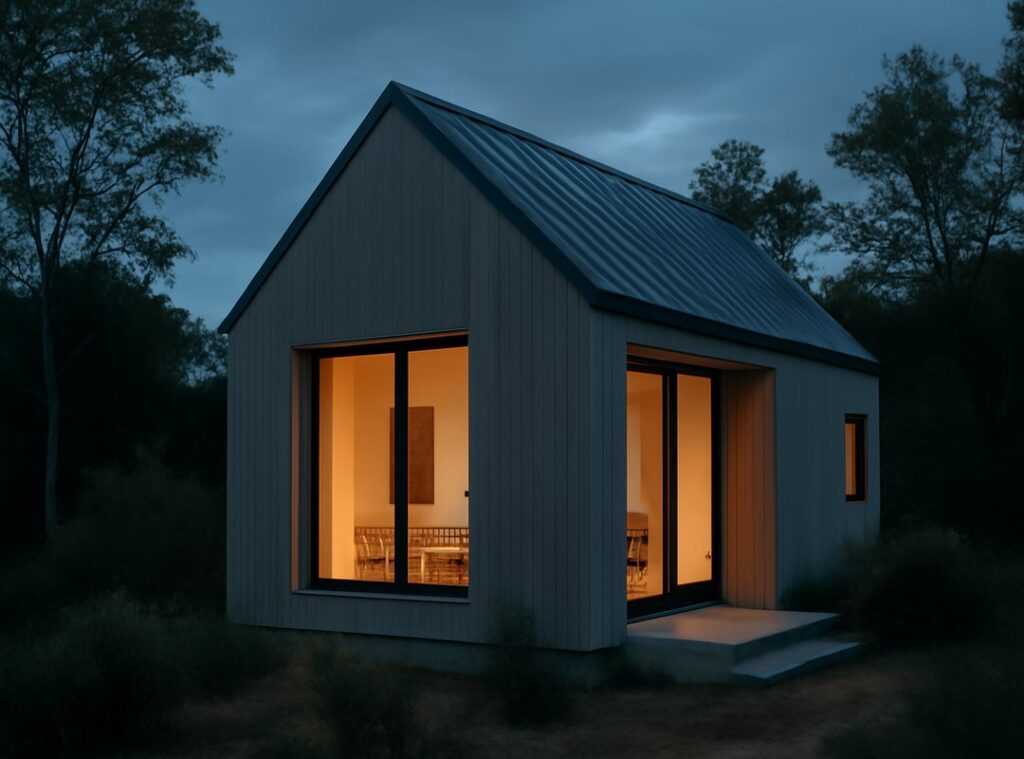

Choosing between modern vs traditional home design can feel overwhelming when you’re trying to create a space that truly reflects your personality and lifestyle. You’re likely searching for clear guidance—what defines each style, how they differ, and which one fits your home best. This article is designed to give you exactly that: a practical, side-by-side understanding of key elements, from color palettes and furniture choices to layout, materials, and decorative details.
We’ve analyzed current interior design trends, consulted experienced designers, and drawn from proven space-planning principles to ensure the insights you’ll find here are both inspiring and actionable. Whether you’re renovating a single room or reimagining your entire home, you’ll gain clarity on how to blend aesthetics with functionality, avoid common design mistakes, and confidently choose a direction that feels cohesive and timeless.
The Soul of Conventional Design: Timeless Comfort and Ornate Details
Conventional design is rooted in historical European decor, drawing inspiration from 18th- and 19th-century English and French interiors. At its core, it values symmetry (balanced layouts that mirror one another), order, and intricate detailing. If you’ve ever walked into a room and felt instantly grounded, that’s the power of visual harmony at work.
Key characteristics include:
- Dark, finished woods like cherry and mahogany
- Rich color palettes—burgundy, navy, forest green
- Elaborate furnishings with carved accents
Architectural elements do much of the heavy lifting. Detailed moldings, wainscoting (decorative wall paneling), and classic silhouettes such as Queen Anne or Chippendale chairs create structure and refinement.
Some argue modern vs traditional home design feels restrictive—but conventional spaces offer warmth, formality, and timeless elegance. If your room feels flat, try adding symmetry through matching lamps or chairs (it’s a simple fix that works wonders).
The Essence of Contemporary Design: Simplicity, Space, and Clean Lines
Contemporary design is the style of the now—fluid, adaptable, and always evolving. Unlike fixed historical styles, it reflects current lifestyles and technologies (think smart lighting and open-concept living). At its heart is intentional simplicity: every piece serves a purpose, every texture is chosen deliberately.
Key characteristics include neutral palettes—black, white, gray—layered with one bold accent like emerald or navy. Pair natural materials such as wood and stone with metal or glass for contrast. For example, a walnut dining table with matte black chairs instantly feels current.
Architecturally, prioritize open floor plans, large unadorned windows, and strong horizontal and vertical lines. If you’re debating modern vs traditional home design, start by decluttering and removing heavy drapery to invite light.
Practical tip: Choose three textures (linen, oak, steel) and repeat them throughout a room for cohesion.
The result? Airy, calm sophistication—like walking into a boutique hotel (minus the minibar bill).
The Definitive Breakdown: Conventional vs. Contemporary, Head-to-Head

Choosing between styles shouldn’t feel like decoding an interior design riddle—yet somehow, it does. You pin a few inspiration photos, and suddenly you’re spiraling between carved mahogany dining tables and minimalist white sofas. If you’ve ever felt stuck in the modern vs traditional home design debate, you’re not alone (and no, your Pinterest board isn’t helping).
Let’s break it down clearly.
Color Palette
Conventional interiors lean into rich, warm tones—deep reds, chocolate browns, emerald greens, and regal jewel shades. Think old libraries and classic brownstones. It’s layered and comforting.
Contemporary spaces, on the other hand, start with a neutral base—whites, grays, taupes—then add stark contrast or bold pops of saturated color. A bright cobalt chair in a white room? That’s the move.
The frustration? Mixing both without intention often leads to visual chaos (and regret purchases).
Furniture & Form
Conventional furniture features ornate carvings, curved legs, rolled arms, and plush fabrics like silk or velvet. It’s elegant—but can feel भारी if overdone.
Contemporary furniture favors clean lines, geometric shapes, and smooth profiles. Materials like wool, cotton, and linen dominate. Less embellishment, more breathing room.
If you’ve ever stubbed your toe on an overly decorative coffee table, you understand the appeal of simpler silhouettes.
Materials & Finishes
With Conventional, expect polished dark woods, brass hardware, bronze accents, and crystal details. It whispers legacy.
Contemporary opts for light woods, stainless steel, chrome, nickel, and natural stone. It feels current and streamlined.
Here’s the catch: mixing shiny brass with cool chrome without a plan can make a room feel confused rather than curated.
Lines & Space
Conventional design values symmetry and defined rooms. Spaces feel cozy and structured.
Contemporary embraces asymmetry, open-concept layouts, and negative space. Airy. Uncluttered. Intentional.
Still unsure about open layouts? Explore open concept living pros cons and smart design solutions before knocking down walls (seriously—renovation remorse is real).
Lighting
Conventional lighting includes chandeliers and fabric-shade lamps—ornate, layered, atmospheric.
Contemporary lighting highlights recessed fixtures, track systems, and sculptural floor lamps that double as art.
At the end of the day, neither style is “better.” The real pain point isn’t choosing one—it’s committing. Once you define your direction, the overwhelm fades—and your home finally starts to make sense.
Creating a Hybrid Harmony: Can You Blend Both Styles?
If you’ve ever felt torn between sleek minimalism and ornate charm, you’re not alone. The solution is transitional design—a style that intentionally blends conventional (traditional, detailed, decorative) elements with contemporary (clean-lined, minimal, streamlined) features. Think of it as the middle ground in the modern vs traditional home design debate.
Here’s where people get confused: blending doesn’t mean mixing everything equally. That often creates visual chaos (like wearing every accessory you own at once). Instead, follow the 80/20 rule. Let one style form 80% of the room’s foundation, and use the remaining 20% as accents.
For example, picture a contemporary living room with a clean-lined sofa and neutral walls. Now add a classic Persian rug or an ornate, gilded mirror. Those traditional touches warm up the space without overwhelming it.
The key is balance. When done well, the room feels timeless yet current—comfortable, but still clean.
Designing the Home That Truly Reflects You
Choosing between modern vs traditional home design can feel overwhelming when you’re trying to create a space that feels cohesive, functional, and uniquely yours. You came here looking for clarity—and now you have a clearer understanding of how each style influences layout, mood, décor choices, and overall atmosphere.
If you’ve been struggling with mismatched furniture, unused space, or a home that just doesn’t “feel right,” the key is intentional design. Whether you lean toward clean lines and minimal palettes or rich textures and timeless details, the right strategy transforms confusion into confidence.
Now it’s time to take action. Start by identifying which elements truly resonate with your lifestyle, then create a focused plan to refine your space one room at a time. If you want expert-backed ideas, proven styling strategies, and practical space optimization tips trusted by thousands of design enthusiasts, explore more of our home concepts and start redesigning with purpose today. Your ideal home isn’t a trend—it’s a decision. Make it now.
 Danielle Ariasimba specializes in the art of space optimization and the practical execution of TH decor aesthetics. With a talent for identifying the hidden potential in any floor plan, she provides the creative insights necessary to transform standard layouts into highly efficient and visually engaging environments. Her contributions ensure that every project maintains a balance between modern sophistication and the essential comforts of home.