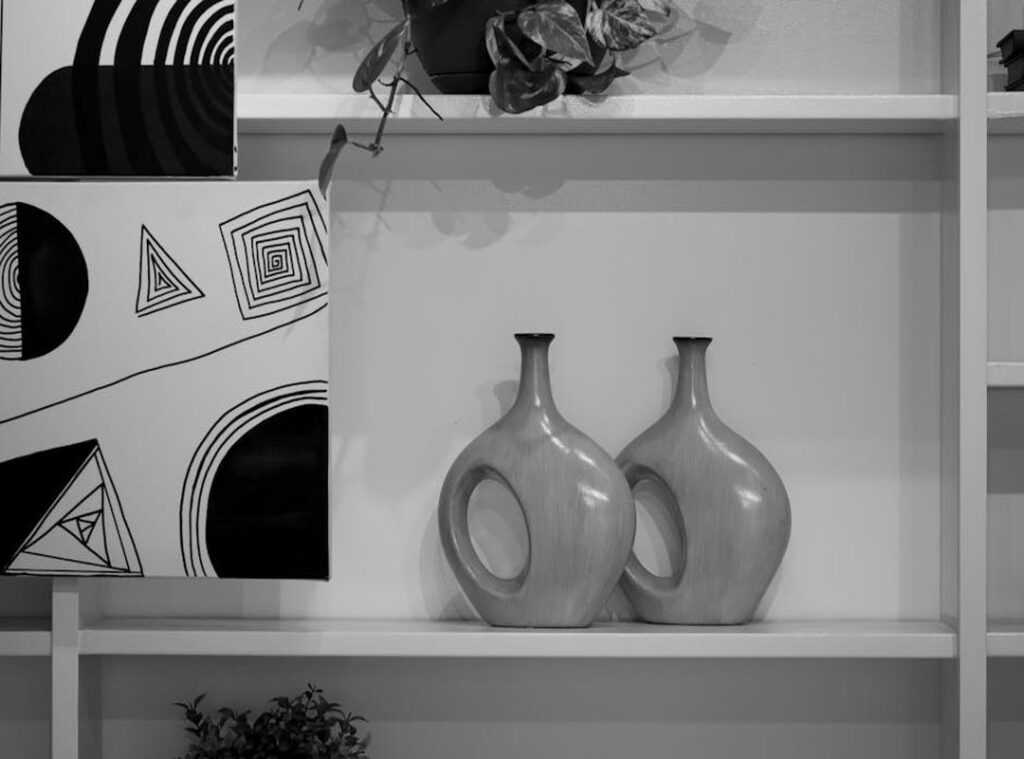

If you’re looking to transform your home into a space that feels intentional, functional, and beautifully cohesive, you’re in the right place. This article is designed to help you understand the core principles behind impactful interiors—whether you’re refreshing a single room or rethinking your entire layout. From smart space planning to texture balance and color harmony, we’ll break down practical strategies you can apply immediately.
One of the most overlooked elements in home design is layered lighting design, a technique that elevates mood, enhances functionality, and adds depth to any room. We’ll show you how to use it effectively alongside furniture placement, décor accents, and space optimization tips.
Our insights are grounded in proven interior design principles, trend analysis, and real-world applications that prioritize both aesthetics and livability. By the end, you’ll have clear, actionable guidance to create a home that not only looks refined—but truly works for your lifestyle.
Most rooms rely on a single ceiling fixture. The result? FLAT light, shadows, and personality. Designers reject that shortcut. Instead, they use layered lighting design to build depth and control.
Here’s the three-part framework competitors rarely explain in practical terms:
• Ambient lighting: the base glow that fills the room evenly.
• Task lighting: focused light for reading, cooking, or working.
• Accent lighting: directional highlights that draw attention to art or texture.
Some argue one bulb is efficient and cheaper. True—but it limits flexibility. Switches, dimmers, and placement strategy create mood shifts instantly (think Netflix night versus dinner party).
Lighting can make or break a room. Understanding the three core layers helps you build balance instead of guessing.
Layered lighting is the practice of combining different types of light sources to build a cohesive, flexible, and balanced lighting scheme. Here’s how to apply it step by step:
-
Start with ambient light. Install ceiling fixtures or recessed lights that fill the entire space. For example, a living room might use a central pendant plus wall sconces to eliminate dark corners.
-
Add task lighting where work happens. Place a desk lamp for reading, under-cabinet lights for cooking, or vanity lights for makeup. This focused brightness reduces eye strain and boosts accuracy.
-
Finally, introduce accent lighting. Use spotlights to highlight artwork, LED strips along shelves, or uplights behind plants for depth. Think of it like stage lighting for your home (yes, even your bookshelf).
Together, these layers create harmony.
Building Your Base: The Ambient Layer
Ambient lighting is the foundation of any well-designed room. Its purpose is simple but essential: provide comfortable, uniform illumination that replaces natural daylight after sunset. Without it, everything else—task lamps, accent lights, decorative pieces—feels disconnected (and a little dramatic in the wrong way).
Common fixtures include recessed lights (often called pot lights), chandeliers, flush-mount or semi-flush-mount ceiling fixtures, and large pendants. Each option delivers full-room coverage, but the real benefit lies in how it shapes perception. Even, shadow-free light makes spaces feel larger, cleaner, and more welcoming.
In layered lighting design, ambient lighting acts as your base layer. Think of it as the canvas before the artwork goes up.
Implementation details matter. Always install ambient lights on a dimmer switch. This single upgrade allows you to shift from bright and energizing to soft and relaxed in seconds.
- Pro tip: Position recessed lights in an even grid to eliminate dark corners and visual gaps.
For low ceilings, choose flush-mount fixtures or a grid of recessed lights to maintain openness. High ceilings, on the other hand, can support bold chandeliers or oversized pendants that draw the eye upward while still delivering balanced illumination.
Illuminating Purpose: The Task Layer
Think of task lighting as a spotlight on a stage. While ambient light sets the scene, task lighting delivers the solo performance—bright, focused illumination exactly where precision matters. Its purpose is simple: reduce shadows and glare so your eyes don’t have to work overtime (because squinting at a cutting board isn’t a personality trait).
Common fixtures include under-cabinet lights in kitchens, desk lamps in offices, reading lamps beside a favorite chair, and vanity lights flanking a bathroom mirror. Each acts like a flashlight with a mission—concentrated, intentional, and direct.
Some argue overhead lighting alone is enough. After all, if the room is bright, why complicate it? But relying solely on ceiling fixtures is like trying to read with a flashlight pointed at the wall. Shadows creep in, details blur, and functionality suffers. That’s why layered lighting design matters: it ensures every layer of illumination plays its part.
For best results, position lights to prevent shadows from falling across your workspace. Install under-cabinet lighting toward the cabinet’s front edge, not the back. Consider low-profile LED strips for a seamless glow or articulated swing-arm sconces for adjustable reading light.
For more inspiration, explore seasonal home highlights easy updates to refresh your space year round to keep every corner brilliantly functional.
Creating Visual Interest: The Accent Layer
If ambient lighting sets the mood, accent lighting steals the spotlight (literally). Its purpose is simple: draw the eye to a focal point and add depth, contrast, and a little drama. Think of it as the difference between a flat stage and one with a perfectly timed spotlight.
Common fixtures include:
- Track lighting aimed at a gallery wall
- Spotlights (uplights) tucked behind plants
- Picture lights mounted above artwork
- Wall sconces grazing brick or stone textures
Some argue accent lighting is unnecessary—just decorative fluff that drives up energy costs. After all, if a room is already bright, why add more? Fair point. But here’s the catch: without contrast, a space can feel one-dimensional. According to the Illuminating Engineering Society, contrast is key to visual hierarchy in interiors. Accent lighting should be three times brighter than ambient light to create noticeable impact.
In layered lighting design, this is the “wow” factor. Use warm-toned bulbs to make spaces feel inviting rather than clinical (unless you’re going for art gallery chic). Pro tip: Aim spotlights at a 30-degree angle to reduce glare and shadows.
This layer is where personality shines—bold, expressive, and unmistakably yours.
Bringing Your Layered Lighting Vision to Life

Great rooms rarely rely on a single overhead fixture. Instead, they follow a simple strategy: start with the ambient layer, add task lighting, and finish with accents. This layered lighting design gives you control over mood and function, so your space works for movie nights and Monday mornings alike.
For example, in a living room you might install recessed lights on a dimmer for ambient glow, place a floor lamp beside your favorite chair for reading, and mount a picture light above the mantelpiece to spotlight art. As a result, the room feels intentional, not accidental (and far less “builder-grade”).
Admittedly, some argue one bright fixture is cheaper and simpler. However, that one-size-fits-all approach limits flexibility. By layering, you solve harsh shadows and dim corners in one sweep.
So, audit one room and note what’s missing.
Incorporating layered lighting not only enhances the ambiance of your space but also beautifully highlights the vibrant greens of your houseplants, making it essential to consider which types you should buy for optimal visual impact—check out our article on ‘Which Houseplants Should I Buy Ththomedec‘ for the best options.
Bring Your Space to Life with Confidence
You came here looking for practical, creative ways to elevate your home with thoughtful design—and now you have the strategies to do exactly that. From smart space planning to texture balance and layered lighting design, you’ve seen how small, intentional choices can completely transform the way a room looks and feels.
If you’ve been frustrated by rooms that feel flat, cluttered, or unfinished, the solution isn’t more décor—it’s better design decisions. When you apply these concepts strategically, your space becomes more functional, more beautiful, and more aligned with your lifestyle.
Now it’s time to take action. Don’t let your home stay “almost there.” Start implementing these design principles room by room, or get expert guidance to fast-track your transformation. Our design insights are trusted by homeowners who want stylish, functional spaces without the overwhelm.
Ready to turn your vision into a polished, cohesive home? Take the next step today and start designing a space that truly works for you.
 Kelrisa Talvess founded Tht Homedec with a mission to bridge the gap between high-level interior design strategies and practical, everyday living. By blending sophisticated TH decor aesthetics with innovative space optimization tips, she has created a platform that empowers individuals to master their own home concepts. Kelrisa’s approach centers on the belief that creative insights should be both inspiring and functional, ensuring that every curated environment is as efficient as it is beautiful.